


Communicators for alarm control panels that indicate a change of contact input or Contact ID event codes by a traditional phone call and SMS message.


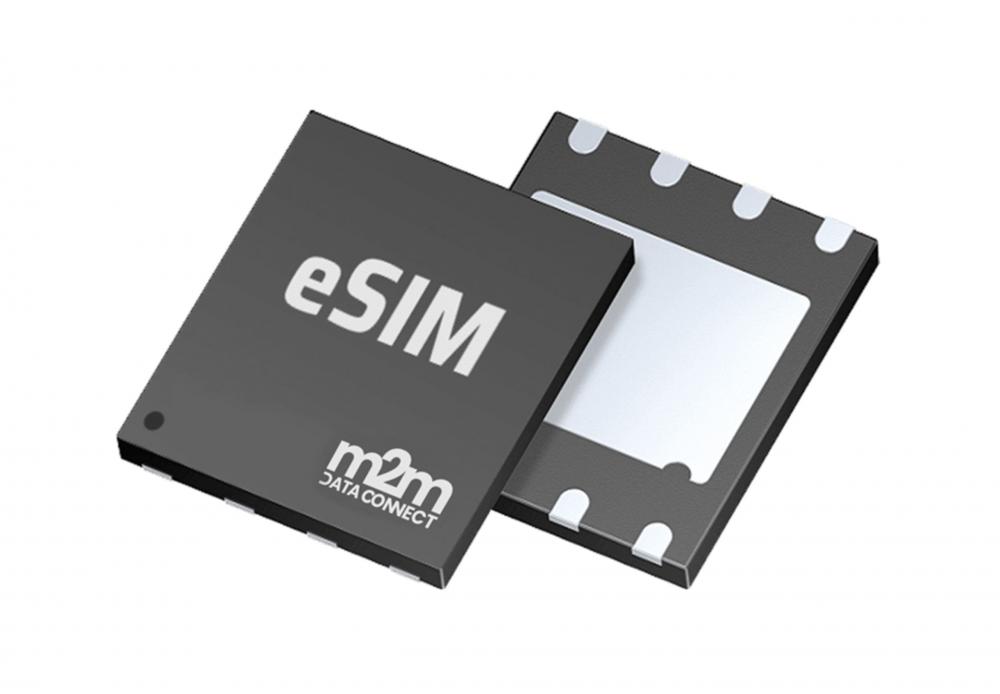


- 4G (LTE Cat1) network connection
- Phone line simulation for alarm panels
- 1 contact inputs with independent signalling
- 1 relay output for alarm control
- Handling 2 independent alarm monitoring receivers
- IP connection with UDP or TCP protocols
- Full remote management via puloware.com website
- Configuration with PC software, connecting with USB cable
- Connecting new and existing alarms to 4G networks
- Alarm communicator for remote monitoring receiver
- End-user notification via mobile App (optional)
It converts the Contact ID report codes of alarm panels to SIA IP format and then transmits them to monitoring receivers via the 4G network.
By triggering the device's contact input, it sends a signal to the monitoring receiver with the set event code.
The device's relay output is controlled by a mobile application to arm or disarm the connected alarm panel.
Don't tie the knot with your mobile service provider!
Choose a mobile provider today that meets your needs, and keep the option to switch tomorrow.


- Works over WIFI 2.4GHz connection
- Emulates landline (TIP/RING) for alarm system
- Converting any Contact ID report codes to „push notification text message”
and forwarding to smartphone applications - Remote monitoring connection to 2 independent SIA DC-09 IP receivers
- Controlling of alarm panels with 2 relay (arm/disarm, up to 2 partitions)
- Remote setup of alarm panels via internet (built in TTL/RS-232 serial ports)
- 2 configurable WiFi networks (main and auxiliary communication path)
- Setup via PC program, USB connection (no router setup required)
- No mobile operator and no SIM card
- Full remote management via WEB interface (configuration, diagnostics)
- AES-128 encrypted communication
- Transmission of alarm events to monitoring station and mobile App
- Alarm control from mobile phone, with user activity display
- Remote programming of alarm panels
The communicator (simulating a landline towards the alarm system) receives the Contact ID report codes from the alarm panel, then forwarding them as "push notification" to the users' phones, simultaneously and instantly to all users. The text of the notifications can be customized and tailored to the customer's needs. The connection between the unit and the application is checked every 30 seconds and in the event of a connection failure, the server sends a separate message the application to its users. This avoids the weak point of classic GSM communicators (call and SMS), the late detection of an expired SIM, blocked GSM communication or inoperability due to a faulty device.


- Works with 2 parallel communication , WIFI and 4G (LTE)
- Emulates landline (TIP/RING) for alarm system
- Converting any Contact ID report codes to „push notification text message”
and forwarding to smartphone applications - Remote monitoring connection to 2 independent SIA DC-09 IP receivers
- Controlling of alarm panels with 2 relay (arm/disarm, up to 2 partitions)
- Remote setup of alarm panels via internet (built in TTL/RS-232 serial ports)
- 2 configurable WiFi networks (main and auxiliary communication path)
- Setup via PC program, USB connection (no router setup required)
- Full remote management via WEB interface (configuration, diagnostics)
- AES-128 encrypted communication
- Transmission of alarm events to monitoring station and mobile App
- Alarm control from mobile phone, with user activity display
- Remote programming of alarm panels
The communicator (simulating a landline towards the alarm system) receives the Contact ID report codes from the alarm panel, then forwarding them as "push notification" to the users' phones, simultaneously and instantly to all users. The text of the notifications can be customized and tailored to the customer's needs. The connection between the unit and the application is checked every 30 seconds and in the event of a connection failure, the server sends a separate message the application to its users. This avoids the weak point of classic GSM communicators (call and SMS), the late detection of an expired SIM, blocked GSM communication or inoperability due to a faulty device.
In addition to WIFI connectivity, it also has 4G (LTE) mobile communication, so it can work on any channel.
The choice of transmission channel is automatic, but when WIFI is active, it is the primary channel for data transmission. If the WIFI network transmission is lost, it will automatically switch to the mobile network, and if WIFI is active again, it will automatically switch back from the mobile network to WIFI.


- Intercept and display Contact ID events sent by the alarm to the supervisor
- Control and status monitoring, using the PULOWARE mobile app
- Message filter for naming individual messages
- User rights management
- 2 configurable WIFI networks (main and backup signal path)
- Serial port for alarm remote programming (eg. Paradox, DSC)
- Remote management system, the alarm can be configured via WEB
- Encrypted communication: AES-256
- Easy, quick installation (no router setup required for WIFI connection)
- USB connection for PC configuration
- Add a mobile app to existing and remotely monitored alarm systems
- Control alarm system via mobile app (arm/disarm)
- Remote access to the alarm control panel (configuration and events download)
VAMPIRE is a modern security signalling and control system that adds a smartphone app to an alarm system that is connect to remote monitoring.
The device connects directly to the active TIP/RING line provided by the existing remote monitoring communicator for the alarm.
When the alarm panel sends reports to the monitoring receiver in Contact ID format,
the device intercepts the event codes from the line and sends them to the user's phone as a "push notification".
In addition, the VAMPIRE is able to control the alarm panel remotely via the application (arm/disarm, up to on 2 partitions) using its contact relay outputs.
The events are signalled and the alarm system control via the Internet network over a WIFI connection.
The VAMPIRE is connected to the existing system in accordance with ETS 300 001,
so it has no effect on the communication telephone line of the remote monitoring communicator
and therefore no effect on the remote monitoring signal transmission,
since the circuit is passive in the direction of the TIP/RING line and the input impedance is greater than 10Mohm.
The module can only be used to monitor CONTACT ID communication and does not work as a stand-alone communicator!
