


SIA DC-09 IP protocol remote monitoring beacons with full remote management
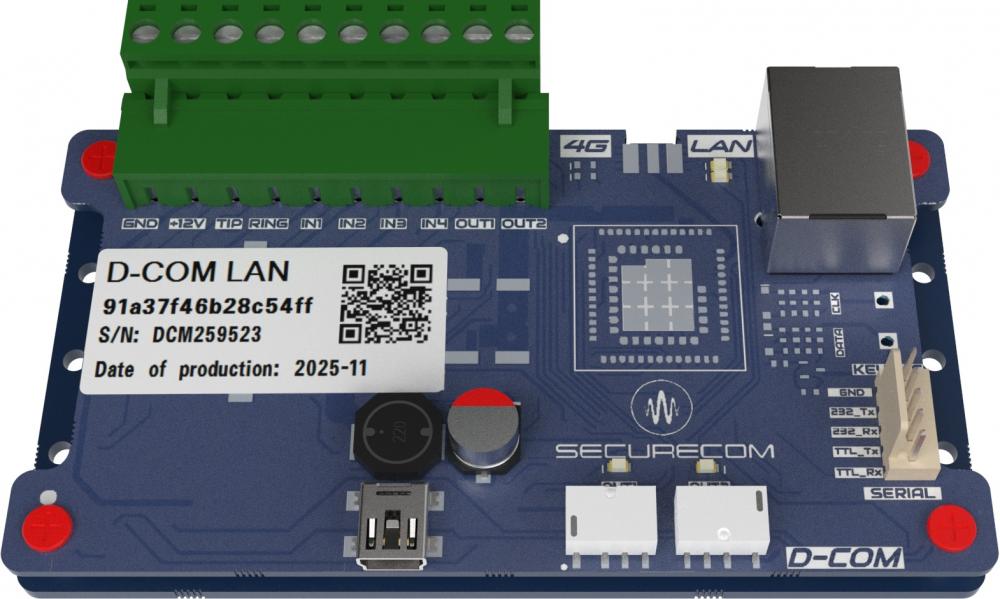
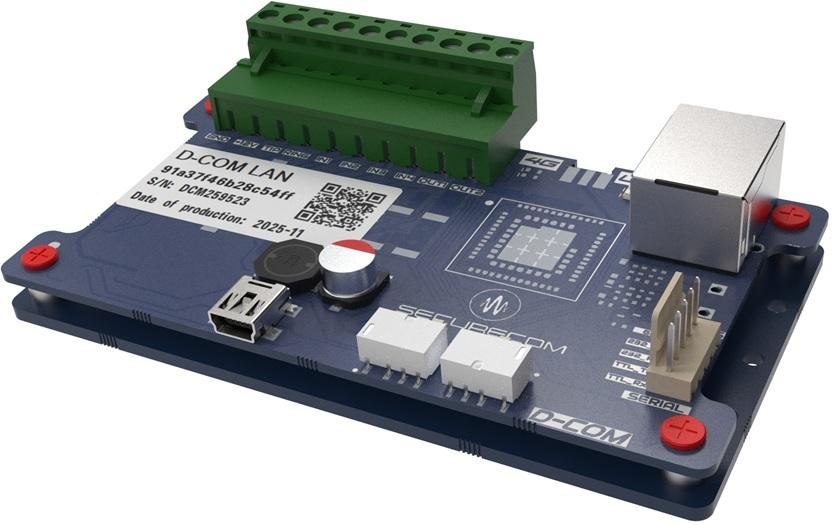
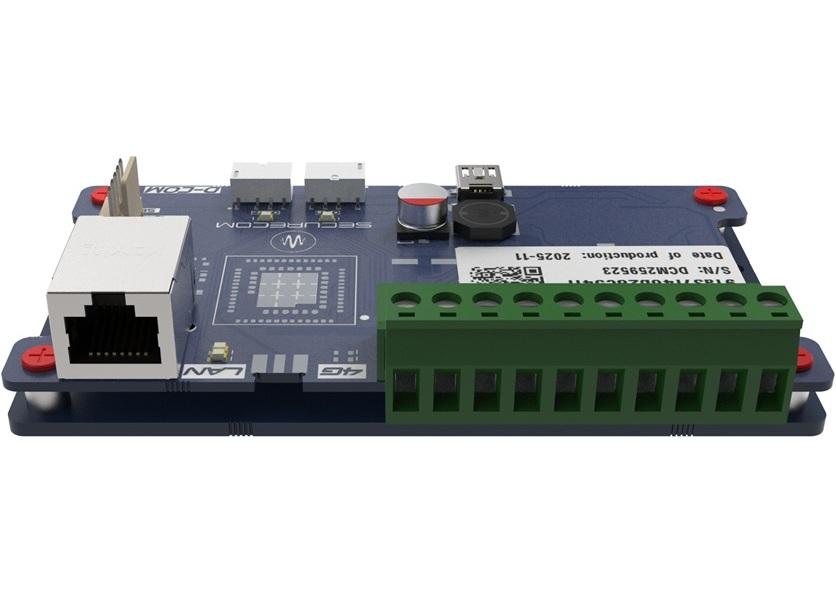


- Hálózati kapcsolat: Ethernet (LAN)
- Telefonvonal szimuláció a riasztó TIP/RING kommunikátorához
- 2 vezérelhető relékimenet (maximum 2 partíciós rendszerhez)
- 4 kontaktus bemenet
- Távfelügyeleti kapcsolat lehetősége 2 független SIA DC-09 IP vevőre
- Beállítás PC-s programmal, USB kapcsolaton keresztül
- TTL/RS-232 soros port a riasztók távprogramozásához (Paradox és DSC)
- Távmenedzsment WEB felületen keresztül (konfigurálás, diagnosztika)
- Egyszerű gyors telepítés (nincs szükség router beállításra)
- Egyedi szövegezésű értesítések szerkesztése
- AES-128 titkosítás
Távfelügyeleti átjelző és vezérlő eszköz riasztóközpontok felügyeletéhez.
A riasztó Contact ID jelentéseiből PUSH üzenetet és riasztási hangjelzést generál ahol az értesítések szövege testre szabható és az ügyfél igényeihez igazítható. Az átjelzőhöz kapcsolt riasztó okostelefonos alkalmazással vezérelhető, maximum 2 partíció élesítése és hatástalanítása céljából.
Az egység és az alkalmazás közti kapcsolat folyamatosan felügyelt, így a kapcsolat megszakadása esetén a szerver külön üzenetet küld az alkalmazás a felhasználóknak.
További előnye a teljes távoli menedzsment, ami lehetővé teszi a kommunikátor folyamatos távoli elérését a WEB-en keresztül.
Ennek köszönhetően a hozzákapcsolt riasztó egy soros adatkábelen keresztül távolról elérhető, letölthető és programozható.


- Network connection: LTE (4G) + Ethernet (LAN)
- Dual SIM option
- Emulates landline (TIP/RING) for alarm system
- 2 controllable relay outputs (for a maximum of 2 partition systems)
- 4 contact inputs
- Remote monitoring connection to 2 independent SIA DC-09 IP receivers
- Setup via USB connection or website
- TTL/RS-232 serial port for remote programming of alarms (Paradox and DSC)
- Full remote management via web interface (configuration, diagnostics)
- Unlimited number of signals with simultaneous notification of all users
- AES-128 encryption
- Magnetic mounting in the alarm box
- DIN rail compatible
Professional remote monitoring communicator
Advanced remote monitoring communicator with up to 3 different transmission channels.
2 mobile networks and 1 Ethernet connection option, with adjustable transmission priority.
Converts alarm system CONTACT ID event codes to SIA IP format and transmits them to monitoring receivers in accordance with the SIA DC-09 standard.
Complete remote management system and transparent serial transmission for remote alarm programming.




- 4G (LTE Cat1) network connection
- Phone line simulation for alarm panels
- 1 contact inputs with independent signalling
- 1 relay output for alarm control
- Handling 2 independent alarm monitoring receivers
- IP connection with UDP or TCP protocols
- Full remote management via puloware.com website
- Configuration with PC software, connecting with USB cable
- Connecting new and existing alarms to 4G networks
- Alarm communicator for remote monitoring receiver
- End-user notification via mobile App (optional)
It converts the Contact ID report codes of alarm panels to SIA IP format and then transmits them to monitoring receivers via the 4G network.
By triggering the device's contact input, it sends a signal to the monitoring receiver with the set event code.
The device's relay output is controlled by a mobile application to arm or disarm the connected alarm panel.
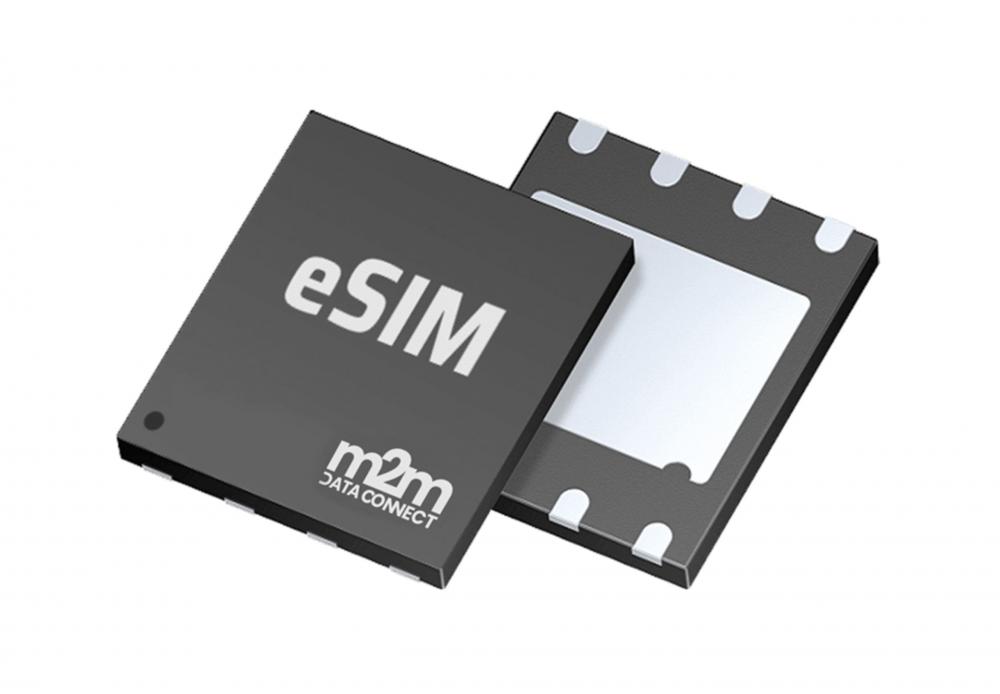
Don't tie the knot with your mobile service provider!
Choose a mobile provider today that meets your needs, and keep the option to switch tomorrow.


- Works with 2 parallel communication , WIFI and 4G (LTE)
- Emulates landline (TIP/RING) for alarm system
- Converting any Contact ID report codes to „push notification text message”
and forwarding to smartphone applications - Remote monitoring connection to 2 independent SIA DC-09 IP receivers
- Controlling of alarm panels with 2 relay (arm/disarm, up to 2 partitions)
- Remote setup of alarm panels via internet (built in TTL/RS-232 serial ports)
- 2 configurable WiFi networks (main and auxiliary communication path)
- Setup via PC program, USB connection (no router setup required)
- Full remote management via WEB interface (configuration, diagnostics)
- AES-128 encrypted communication
- Transmission of alarm events to monitoring station and mobile App
- Alarm control from mobile phone, with user activity display
- Remote programming of alarm panels
The communicator (simulating a landline towards the alarm system) receives the Contact ID report codes from the alarm panel, then forwarding them as "push notification" to the users' phones, simultaneously and instantly to all users. The text of the notifications can be customized and tailored to the customer's needs. The connection between the unit and the application is checked every 30 seconds and in the event of a connection failure, the server sends a separate message the application to its users. This avoids the weak point of classic GSM communicators (call and SMS), the late detection of an expired SIM, blocked GSM communication or inoperability due to a faulty device.
In addition to WIFI connectivity, it also has 4G (LTE) mobile communication, so it can work on any channel.
The choice of transmission channel is automatic, but when WIFI is active, it is the primary channel for data transmission. If the WIFI network transmission is lost, it will automatically switch to the mobile network, and if WIFI is active again, it will automatically switch back from the mobile network to WIFI.

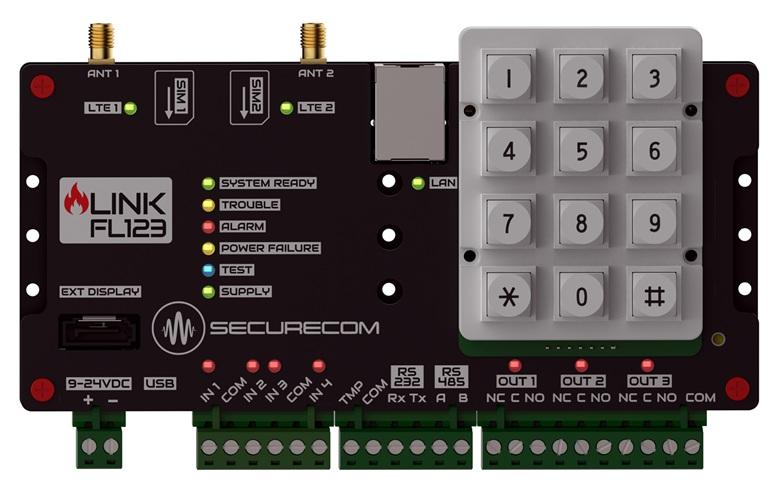


- 2 x LTE-Cat1
- Ethernet 100 Base-TX
- 5 DEOL input
- 3 relay
- Buzzer
- Keypad
- RS-485
- RS-232
- Display extender port
Supported protocols:
- SIA DC-09 IP
- Modbus RTU
- MQTT 5.0
- PULOWARE remote management
Fire alarm communicator
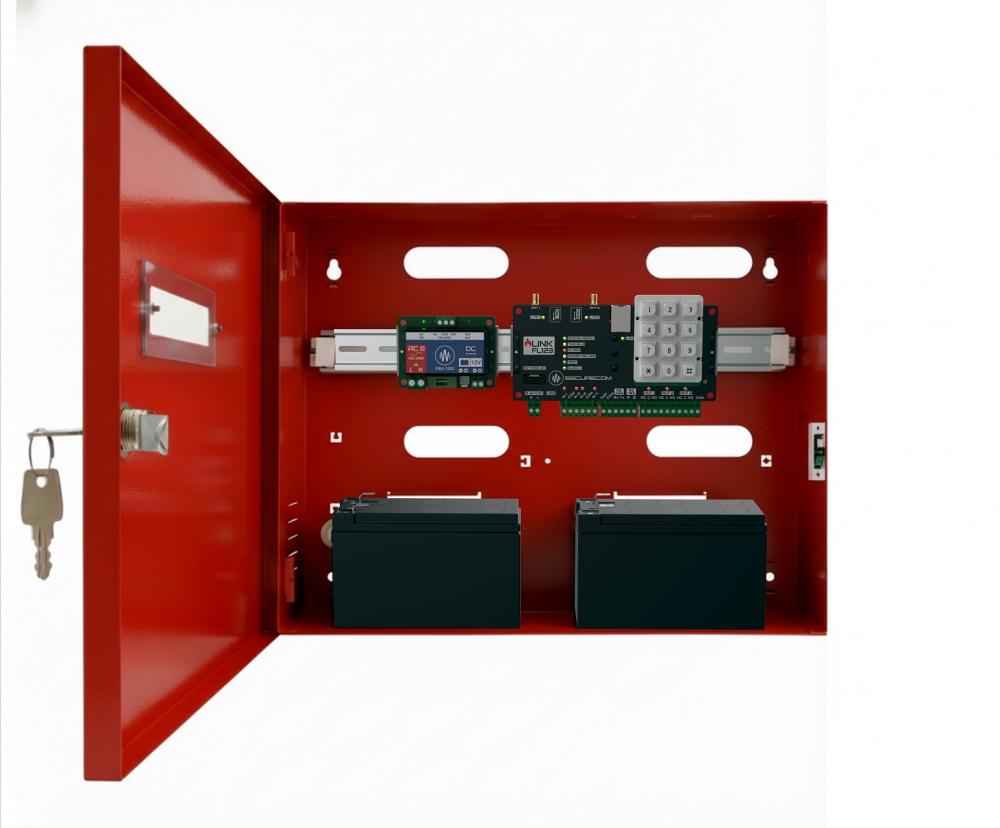
FireLink FL-x transmits signals from fire alarm control panels to configured monitoring stations in SIA DC-09 and MQTT communication formats.
It sends signals to the monitoring station or multiple monitoring stations based on contacts received from the fire alarm control panel connected to its inputs
or events received via the fire alarm communication line (Modbus RTU).
The transmission channels are duplicated (2 x 4G/LTE modems or 1 x 4G/LTE modem and 1 x Ethernet) and operate independently of each other.
Power supply is fully monitored using the PSU-24-02 power supply unit (AC fault, battery missing, low battery).
All functions can be monitored and configured using web-based remote management.


- 4G (LTE Cat1) network connection
- Phone line simulation for alarm panels
- 2 contact inputs with independent signalling
- Handling 2 independent alarm monitoring receivers
- IP connection with UDP or TCP protocols
- Full remote management via puloware.com website
- Configuration with PC software, connecting with USB cable
New features:
- Full remote management (remote status monitoring and configuration)
- Domain name can now be specified instead of the IP receiver address
- Alarm communicator for remote monitoring receiver
The SC-GPRS 4G device is a modern security communication device operating on 4G LTE mobile network. It converts the Contact ID signals from alarm panel (transmitted on phone line, TIP/RING terminals) to SIA IP format and sends it to a given IP monitoring receivers.
Operation of device: it generates a simulated PSTN line for alarm panel, and accepts Contact ID reports sent on it by alarm panel dialler. After receiving, device forwards the report through GPRS network, (using TCP or UDP protocol, depending on the setting) toward one of two pre-set IP receivers, in accordance to SIA DC 09 standard. The device will acknowledge the reporting to alarm panel only when the acknowledge signal is received back from the IP receiver, thus ensuring the 100% delivery rate for all reports! Also, contact signals applied to the two inputs are reported to monitoring station with programmed codes.
Another advantage is that it can connect to a back-end server (IoT) in the background, which allows continuous remote access to the communicator via a web browser, i.e. the device can be managed remotely. The data traffic demand for remote management is approximately 6-8 Mbyte/month, but the feature can be turned off.
Device is equipped with an independent analogue circuitry that prevents the device „freezing” phenomenon, caused by network deviations in most communication devices. When a
communication error is detected, this circuitry cuts the device power supply for 5 seconds and after re-applying of power the device restarts, assuring that it connects again to mobile network


- 4G network connection (LTE)
- Emulates landline (TIP/RING) for alarm system
- Automatic recognition of Contact ID and SIA FSK Level 1,2 report formats
- Remote monitoring connection to 2 independent SIA DC-09 IP receivers
- 2 contact inputs with unique signalling
- Setup via PC program, USB connection
- TTL/RS-232 serial port for remote programming of alarm panel
- Full remote management via WEB interface (configuration, diagnostics)
- AES-128 encrypted communication option
- Cutting-edge communicator of monitoring stations
- Remote programming of alarm panels
Translates the TIP/RING landline communication of the alarm systems, forwards it to the monitoring receivers, as it is defined in the SIA DC-09 standard. The data transfer is done in the GPRS system of the mobile network, in the form of TCP/IP or UDP packets. Only the CONTACT ID or SIA FSK Level 1,2 format reporting codes, can be interpreted and forwarded to monitoring, by the device.
Another advantage is that it can connect to a back-end server (IoT) in the background, which allows continuous remote access to the communicator via a web browser, i.e. the device can be managed remotely. This means that even the connected alarm can be remotely accessed, configured and programmed at any time. Thanks to the back-end server, it allows remote connection of the alarms to local PCs for downloading or programming, using so-called peer to peer (or P2P) technology, thus ensuring a stable, fail-safe remote connection, similar to a direct cable connection, due to the extremely fast response time of the network.
The product incorporates the so-called ERPWDN (automatic power down unit), in addition of course to the external reset circuit (wachdog) of the microcontroller, which eliminates the phenomenon of freeze-ups caused by mobile network events. When a fault is detected, an independent circuit will fully de-energised the unit for about 5 seconds, ensuring a perfect restart.
